
West Los Angeles Transportation: A Legacy of Innovation and Connectivity |
From Electric Streetcars to Modern Transit Projects, Mobility Shapes the City's Evolution |
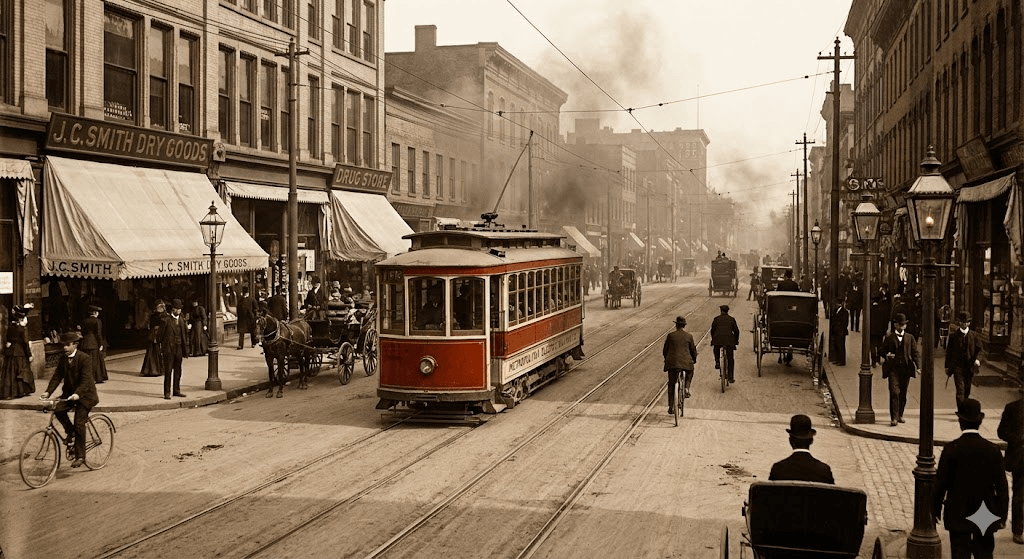
The introduction of public electric streetcars in 1888 revolutionized urban design, transforming cities into hubs of movement rather than congestion.
Transportation evolved into a coordinated system, alleviating the daily struggles of city dwellers.
In West Los Angeles, a region characterized by the dynamic flow of people, ideas, and culture, the enduring impact of this shift is evident.
Mobility fuels creativity, and access fosters participation.
Historically, streetcars redefined urban landscapes by establishing predictable corridors of activity.
Commerce, housing, and social spaces naturally developed along these transit lines.
Today, while technology has advanced, the significance of connectivity remains paramount in West Los Angeles.
Creative industries, diverse neighborhoods, and cultural hubs all depend on accessible infrastructure.
Recent developments underscore this commitment to connectivity.
The Metro D Line Subway Extension Project is set to add seven new stations, providing a high-speed link between Downtown Los Angeles and the Westside.
Additionally, the Sepulveda Transit Corridor aims to connect the San Fernando Valley to West L.A., addressing the notorious congestion of the 405 Freeway through the Sepulveda Pass.
These initiatives reflect a continued dedication to enhancing urban mobility.
The electric streetcar also played a pivotal role in normalizing shared transit experiences.
Individuals from diverse backgrounds utilized the same system, reinforcing the concept of cities as collective experiences.
West Los Angeles thrives on this collective energy, where mobility promotes diversity and interaction over isolation.
The lesson from 1888 endures: when transportation systems function effectively, cities flourish.
The electric streetcar established this rhythm, and West Los Angeles continues to evolve around this fundamental truth. |
0 Comments
Join the conversation
Be the first to comment
Share your thoughts above.